Not all of these went well. That's sort of the point. I log the failures just as carefully as the wins because the failures are where the useful bits hide. Every experiment here has raw data, methodology notes, and honest conclusions.
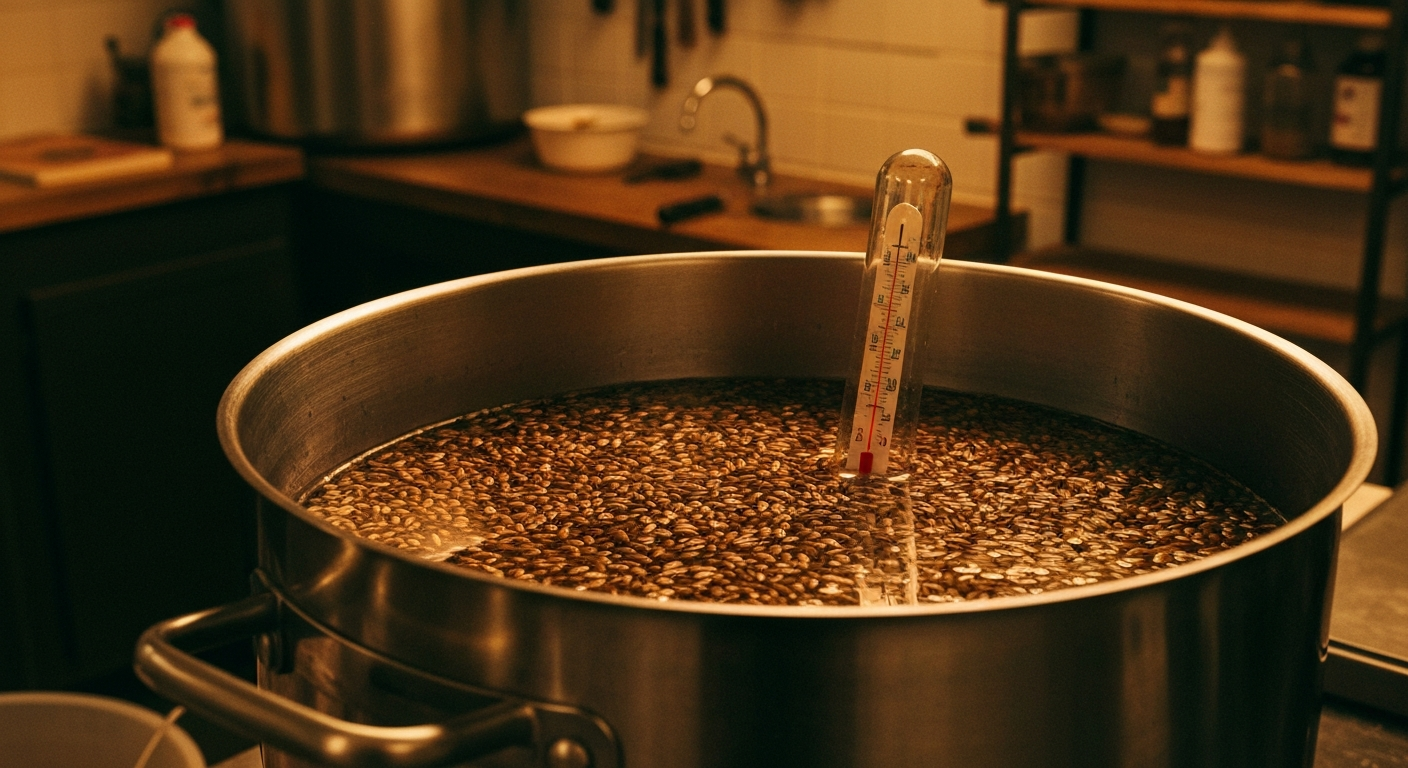
Finding: 18h soak at 15°C hit the target 52% moisture without grain splitting. 24h pushed to 58% — too wet, burst kernels led to bacterial pockets during colonization.
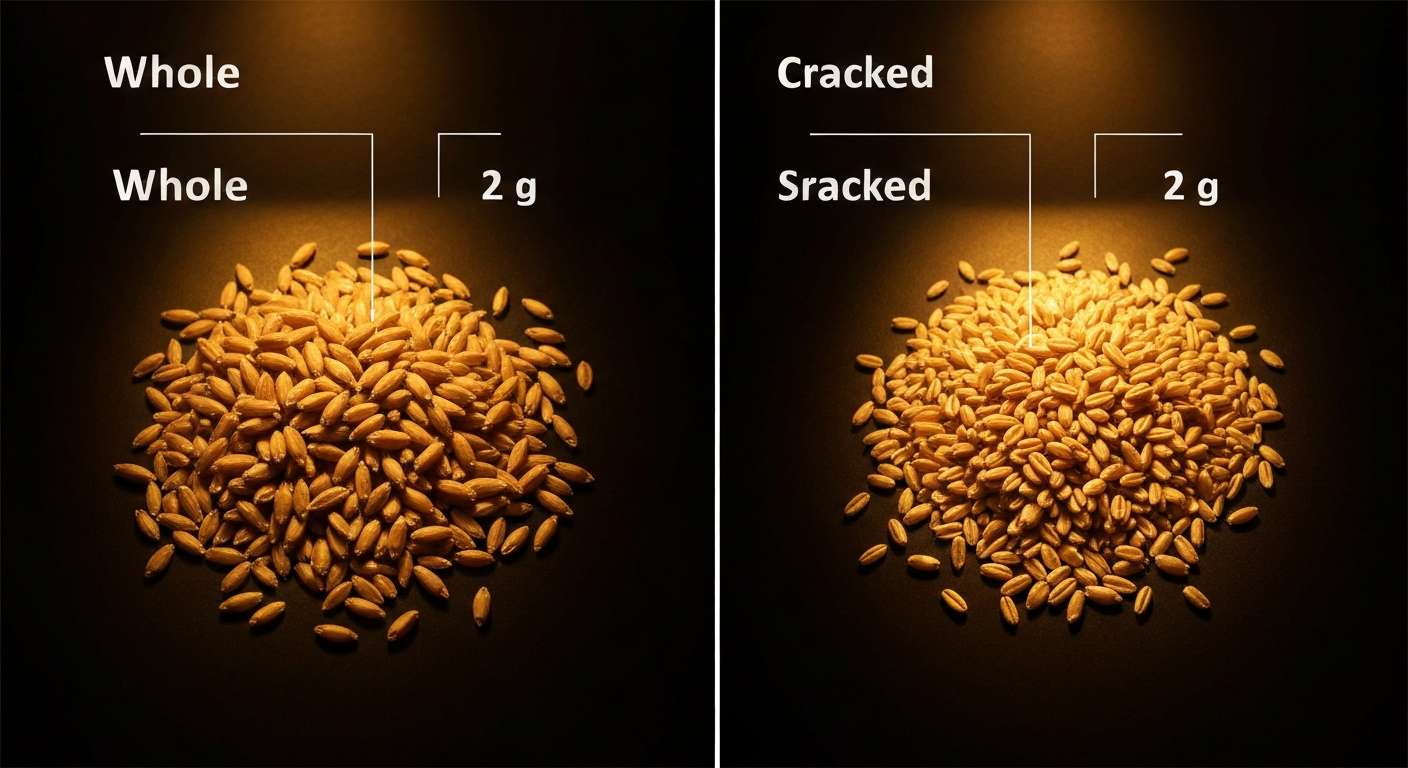
Finding: Cracked rye absorbed water 40% faster but produced inconsistent moisture distribution. Whole rye required longer soak but delivered uniform 50-54% MC across the bag.
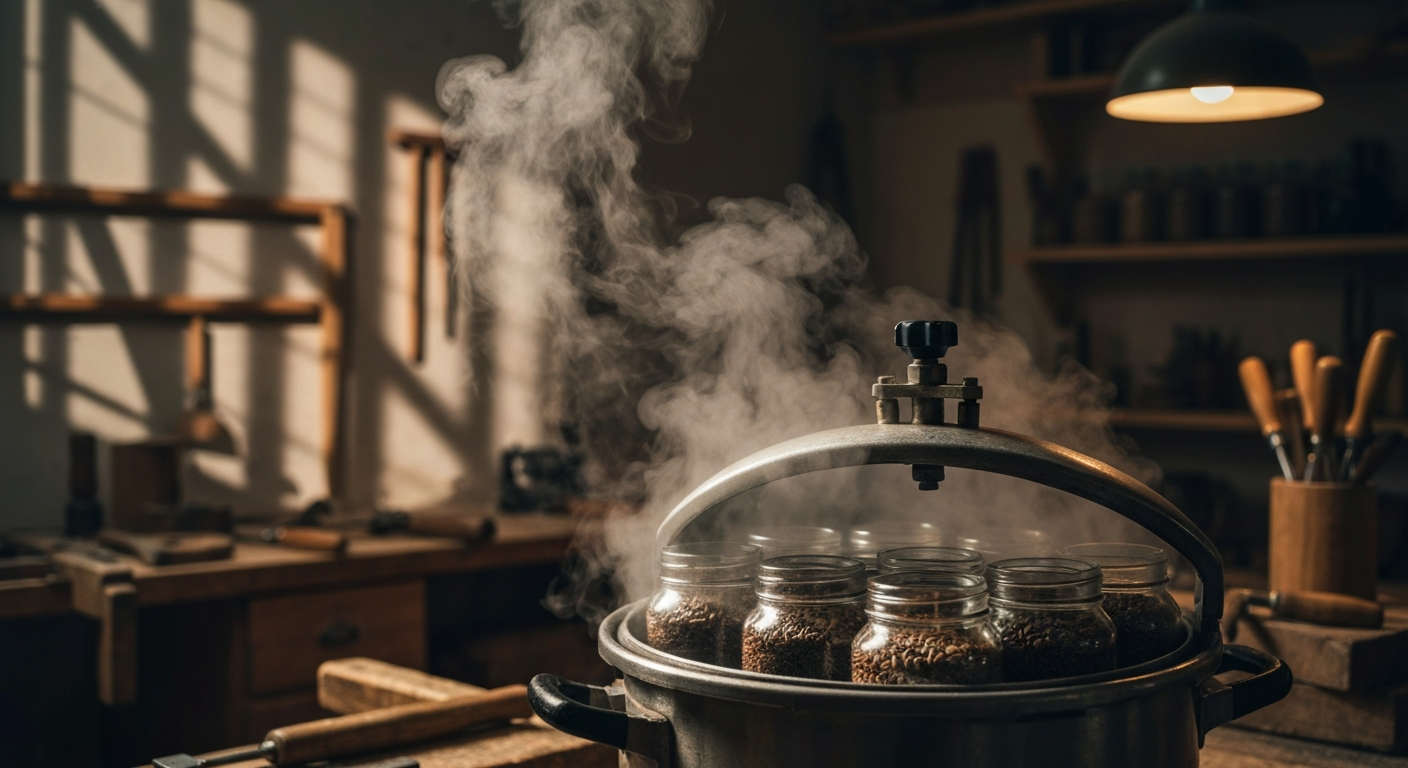
Finding: 90min at 15psi gave a 12% contamination rate over 30 bags. Extending to 120min dropped it to 2%. The extra 30 minutes saved 3 bags per batch on average.
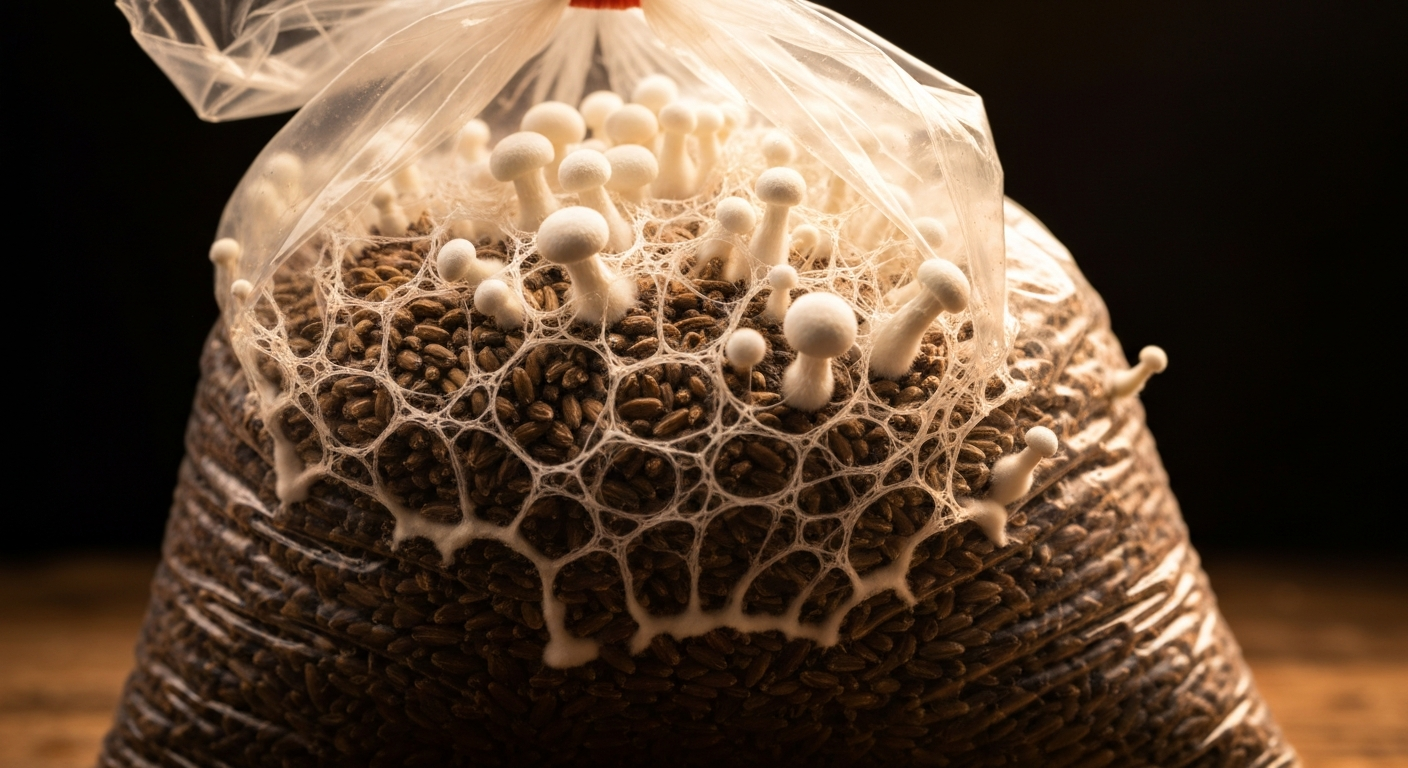
Finding: Day 7 transfers at 30% colonization gave the fastest full-bag colonization (14 days). Day 5 was too early — weak mycelium, 25% failure. Day 10 worked but added 3 days total.
Finding: Agricultural supply rye (cleaned, graded) had 3x lower contamination than pet store rye. Pet store grain often arrived with visible dust, broken kernels, and inconsistent size.
Finding: Winter preps at 10°C ambient needed 22h soak to reach 52% MC vs 16h in summer at 24°C. A simple formula: add 1h soak time per 2°C below 20°C.
+1hPer 2°C Drop
22hWinter Soak
16hSummer Soak
About These Experiments
Every experiment follows the same basic structure: hypothesis, method, raw data, and conclusion. I try to change only one variable at a time, though I'll admit that's not always possible in a home lab setting. Sample sizes vary. some tests use 6 bags, others 30+.
If you're looking for the protocols that emerged from these experiments, head to The Rye Bible for the consolidated guide. The experiments here are the messy working-out behind those clean protocols.
 Hydration